
05.27.26
What North Dakota lawmakers are already discussing ahead of the 2027 session
By Cale Dunwoody, Vice President of Public Policy, FMWF Chamber
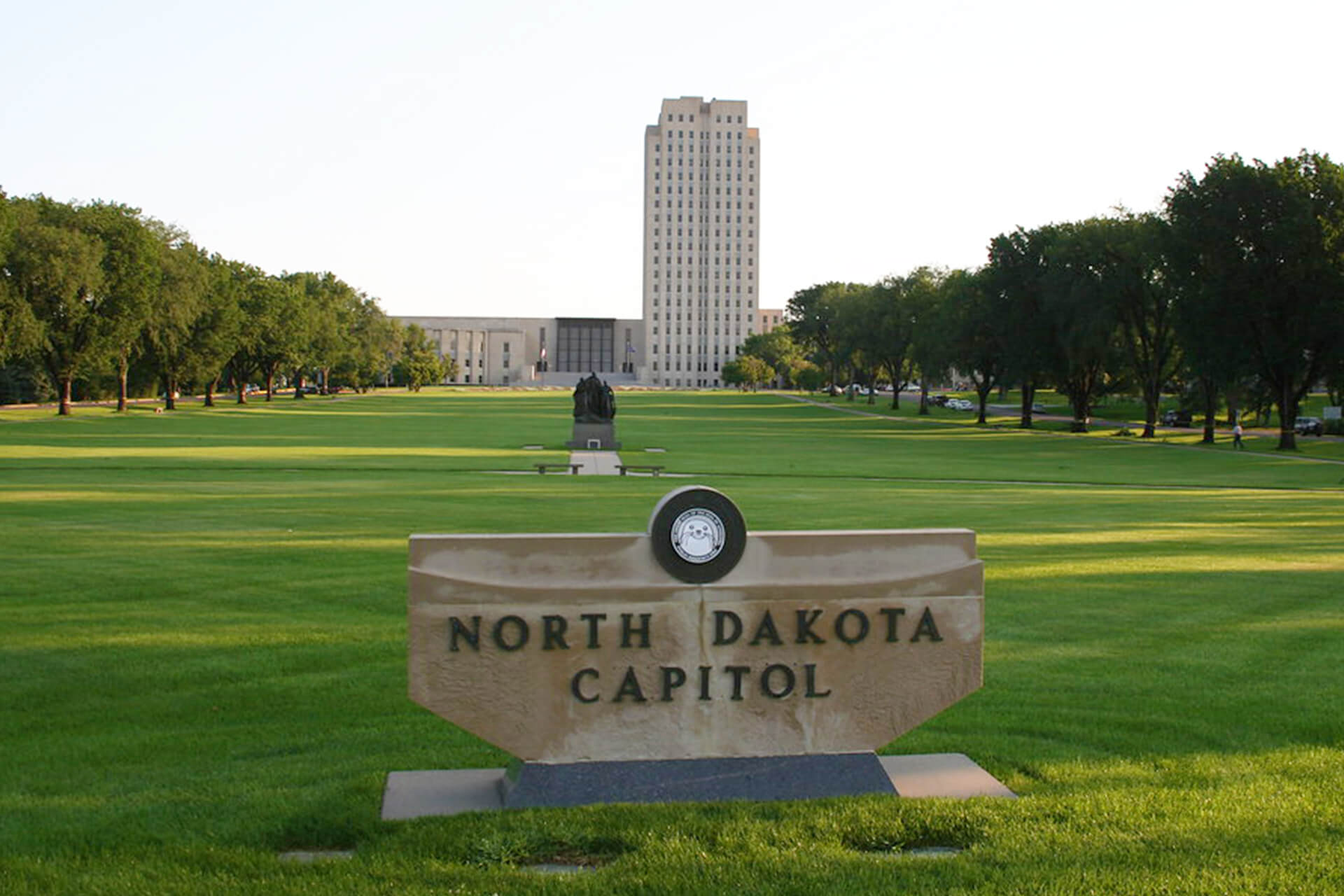
Discover what North Dakota lawmakers are already discussing as priorities ahead of the 2027 legislative session.
While North Dakota’s next legislative session is still months away, many of the conversations shaping the state’s future are already happening now.
During a recent meeting of The Chamber’s Public Policy Committee, state legislators and policy leaders discussed the issues beginning to take shape ahead of the 2027 legislative session, from rural health funding and property taxes to workforce pressures, child care and long-term infrastructure needs.
Much of the work happening between legislative sessions takes place through interim committees. This cycle, lawmakers are studying topics including nuclear energy, state education funding, government efficiency, taxes, land rights and the future of data centers in North Dakota.
Those discussions may not always receive the same attention as the legislative session itself, but they often influence which ideas gain momentum, where funding priorities emerge and what proposals will eventually make it to the floor.
One of the largest and most immediate conversations centered on rural health transformation funding following the recent special session.
North Dakota is expected to receive nearly $200 million through the federal Rural Health Transformation Program, with at least $100 million guaranteed annually over the next five years depending on federal scoring and performance measures. The challenge, however, is timing.
Current guidance requires the funds to be spent by the end of 2027, creating concern among lawmakers and health leaders about whether communities and providers will realistically be able to deploy the dollars effectively within that window.
There are also ongoing questions surrounding what qualifies as “spent” funding, especially for equipment purchases and long-term investments that may not arrive or be completed before deadlines.
Lawmakers emphasized that the intent of the funding is not to construct new buildings, but to support sustainable programs and long-term health care access, particularly in rural communities.
At the same time, the discussion highlighted the complexity of defining what “rural” means in North Dakota. Because the entire state qualifies as rural under the federal framework, there are differing perspectives on how resources should be prioritized.
Some lawmakers argue that strengthening larger regional hubs and specialty care systems can ultimately improve outcomes for rural communities that already face provider shortages and long wait times for advanced care.
Beyond health care, several recurring themes continue to surface as lawmakers look ahead to 2027.
Property taxes remain one of the most closely watched issues, particularly conversations around caps for political subdivisions and how local governments will balance infrastructure and service demands with budget pressures.
Statewide budget stability is also expected to be a major factor. Legislators pointed to oil price volatility as a continued concern for North Dakota’s long-term revenue outlook, especially as the state evaluates which investments and programs are producing meaningful results.
Workforce challenges continue to intersect with nearly every policy conversation.
Lawmakers point specifically to child care availability, affordability and workforce retention as ongoing concerns, noting that previous investments have not always translated into sustainable long-term solutions for providers or families.
There was also discussion around the future of data centers and energy infrastructure in North Dakota, including concerns about land rights, community perception and whether the business community is doing enough to communicate the long-term value and economic impact of those projects.
While the next legislative session may still feel distant, the policy groundwork is already underway.
The conversations happening now through interim committees, task forces and stakeholder engagement will help shape the priorities, challenges and opportunities lawmakers face when they return to Bismarck in 2027.
For businesses, employers and community leaders across the region, staying engaged early matters. Many of the decisions being discussed today will influence workforce growth, infrastructure, health care access, taxation and economic competitiveness for years to come.
Stay connected to the policy conversations shaping North Dakota’s future:
- Sign up for The Chamber’s Advocacy in Action newsletter
- Explore upcoming Public Policy events
- Visit VoteFMWF.org for nonpartisan election and voter resources
SHARE
More Stories
Upcoming Events
Subscribe to email newsletters